| Back to Back Issues Page |
 |
|
The Goldfish Gazette, Issue #146 Deteriorating Water Quality February 28, 2026 |
Goldfish Care TipsA Free Monthly Resource For Goldfish Enthusiasts In This Issue Pond and aquarium water is under constant pressure from the environment and its inhabitants. Just because a large filter is installed and the water is clear doesn’t mean the water quality meets the required standard. Deteriorating Water Quality
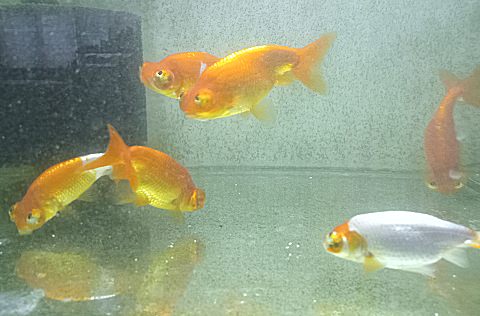
Cloudy water issue with my Celestial aquariumWe often see images on social media Goldfish forums showing sick Goldfish with the owner claiming “this happened overnight, please help, oh, and the water tests fine”.Two things to note here: 1. It normally takes Goldfish more than 12 hours to get a heavy slime coat, red, split fins and red patches on the body. Deteriorating Water quality causesLet’s separate aquariums from ponds as the environments are quite different. AquariumsYou are dealing with a small water volume compared to a pond, lake or stream, so the population density of the aquarium is much higher. We mitigate this by installing filters and doing water changes. However, because the water volume is small, it doesn’t take much to upset this balance and cause a nitrogen cycle crash. Examples are: A fish dies unnoticedGoldfish tend to hide when they are sick, as tank mates pick on them. Algae eaters usually hide during the day, so their absence can go unnoticed. Large water snails can also crawl into a secluded spot and die.Growing fishIf water conditions are suitable, your Goldfish should be growing. They will eventually outgrow the aquarium’s filtering capacity.Equipment failureAll mechanical equipment, such as filters, has a limited lifespan. A sign of impending failure is rattling, which indicates the impeller in the filter has worn.Sponge filters depend on an uninterrupted air supply from an air pump. Reduced air volume indicates that the air pump diaphragm has a split. MedicationsMany medications are anti-bacterial or anti-fungal. Your filter contains a living colony of bacteria to support the nitrogen cycle. Guess what happens when you dose the aquarium with an anti-bacterial medication such as Methylene Blue? Instant nitrogen cycle crash.PondsAlthough ponds generally have much lower fish densities, they are more affected by seasonal changes. Examples include: Higher water temperaturesAs temperatures rise, dissolved oxygen levels go down. If a filter or aeration isn’t installed, the increase in plant growth worsens dissolved oxygen levels overnight, as plants absorb oxygen at night.Plant Die-BackAs summer turns to autumn, then winter, most aquatic plants die back. This die back adds large amounts of dead material to the pond, which settles to the bottom, creating pockets of ammonia.Nearby trees shedding leaves do the same thing. Filter clogging is another problem that leaves and plant die-off create. ChemicalsThis danger can take the form of wind-blown sprays or, as recently happened to a friend, moss-removal chemicals applied to her roof that flowed into her pond. All fish were lost.Signs to Look ForThe most obvious signs of dropping water quality, which apply to both aquariums and ponds, are: Cloudy waterIf particulates in the water are not planktonic algae, check for a clogged filter.Fish gasping at the surfaceThis indicates a low dissolved oxygen level, especially with ponds in the morning, an ammonia spike, or sick fish (caused by a drop in water quality).Detritus Build UpA little is fine, a lot is not. This is more of a problem in ponds, as it can build up unnoticed.SummaryMost of the reasons water quality drops are known to us, but if we don’t act on the warning signs quickly, we will end up dealing with a much bigger problem. Now, back to sorting out my own water quality problem! Comments? Ideas? Feedback? I'd love to hear from you. Just reply to this e-zine and tell me what you think, or what topics you want to be covered. www.facebook.com/aboutgoldfish |
| Back to Back Issues Page |